
As temperatures soar, your air conditioner becomes your best friend, providing cool comfort during sweltering days. However, to ensure its optimal performance and longevity, it’s essential to use your AC efficiently. In this guide, we’ll explore practical tips to help you get the most out of your air conditioning unit while minimizing energy consumption and costs.
- Regular Maintenance and Cleaning
Proper maintenance is crucial for your AC’s efficiency. Schedule regular inspections by professionals to check for any issues and ensure all components are functioning correctly. Additionally, keep the filters clean by replacing or cleaning them every one to three months. Clogged filters obstruct airflow, forcing the system to work harder, consuming more energy in the process.

- Optimal Temperature Settings
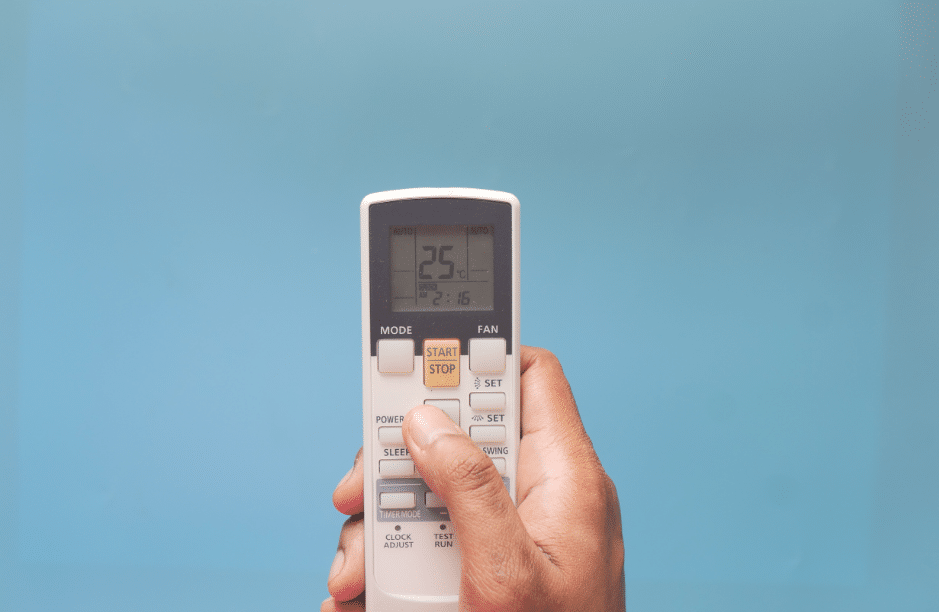
Setting your thermostat to the optimal temperature can significantly impact energy consumption. Aim for a comfortable yet energy-efficient temperature, typically around 78°F (25°C) during the summer months. Every degree lower can increase energy usage by 6% to 8%. Utilize programmable thermostats to adjust temperatures automatically based on your schedule, further optimizing energy usage.
- Utilize Fans and Ventilation
Supplement your AC’s cooling power by using ceiling fans or portable fans. Fans help circulate cool air more effectively, allowing you to set the thermostat higher without sacrificing comfort. Additionally, ensure proper ventilation by keeping doors and windows closed when the AC is running to prevent cool air from escaping and warm air from entering.

- Optimize Airflow
Ensure that furniture and other obstructions do not block airflow from vents. Blocked vents disrupt the distribution of cool air, leading to uneven cooling and increased energy consumption. Arrange furniture strategically to allow for unobstructed airflow throughout your home.

- Limit Heat-Generating Activities
Appliances such as ovens, stoves, and dryers generate heat, increasing the overall temperature in your home. Try to limit the use of these appliances during the hottest parts of the day or use them in the evening when temperatures are cooler. This reduces the strain on your AC and helps maintain a comfortable indoor environment.
- Consider Alternative Cooling Methods
In addition to your AC, consider alternative cooling methods such as evaporative coolers or ceiling fans. These options consume less energy and can be effective in specific climates or rooms, providing supplemental cooling while reducing overall energy costs.

- Schedule Regular Tune-Ups
Just like any other mechanical system, your air conditioner requires regular tune-ups to ensure peak performance. Schedule professional maintenance at least once a year to inspect and tune-up your AC unit, addressing any potential issues before they escalate and optimizing its efficiency.

